

News
The Clinical Potential of Amniotic Membrane Tissue in Regenerative Medicine
Clinical Practice in the Treatment of Musculoskeletal Pain
Issued by: Marketing and Public Relations Department, ECM Biomedical
With advances in regenerative medicine and tissue engineering, amniotic membrane–derived biomaterials have increasingly been incorporated into rehabilitation medicine and the clinical management of musculoskeletal disorders, emerging as a promising option for minimally invasive treatment.
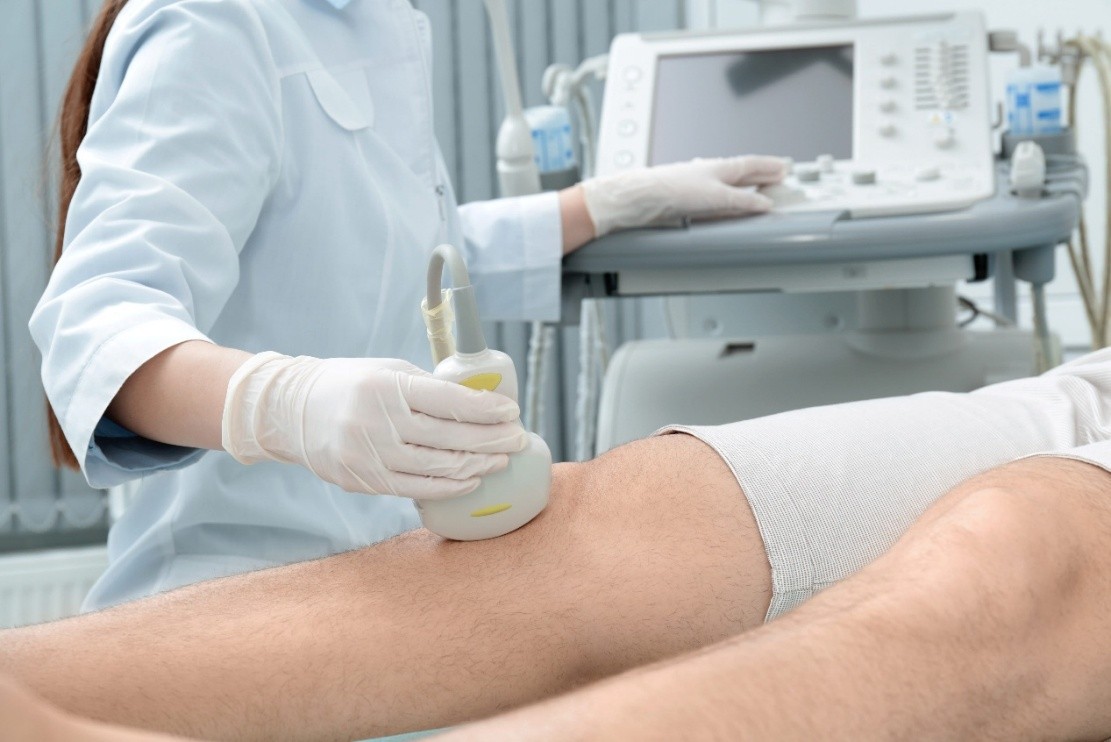
In clinical practice, amniotic membrane allografts have been applied in the management of common rehabilitation conditions, including knee osteoarthritis, plantar fasciitis, and chronic tendon and ligament injuries. Targeted local injections performed under ultrasound or other imaging guidance, as well as applications combined with minimally invasive procedures, may improve treatment precision while reducing the risks associated with more invasive interventions.
International studies published over the past five years have reported statistically significant improvements in pain scores, functional outcomes, and quality of life among patients with degenerative musculoskeletal conditions treated with amniotic membrane–derived biomaterials. Several prospective clinical studies have also indicated that amniotic membrane allografts may improve pain and joint function in patients with knee osteoarthritis during short- to medium-term follow-up. In the treatment of plantar fasciitis, their use in combination with minimally invasive procedures has also demonstrated favorable symptom relief.
Amniotic Matrix Emerging as an Alternative to Repeated Corticosteroid Injections
One study found that amniotic matrix injections produced clinical outcomes comparable to conventional corticosteroid injections in certain patient populations. More sustained functional improvement was also observed during some follow-up periods, highlighting the potential value of amniotic matrix as part of minimally invasive treatment strategies in rehabilitation medicine.
The therapeutic potential of amniotic membrane tissue is associated with its extracellular matrix, growth factors, and diverse bioactive molecules. Together, these components provide a supportive microenvironment for tissue repair and may facilitate cell migration, angiogenesis, and tissue remodeling. Its relatively low immunoge.and favorable biocompatibility have also made amniotic membrane tissue a biomaterial of growing interest and broad potential application in regenerative medicine.
Rehabilitation Applications Focus on Soft-Tissue Conditions
Amniotic matrix is currently used as an adjunctive treatment option for various soft-tissue conditions, including chronic tendinopathy, ligament injuries, plantar fascia–related discomfort, and lateral epicondylitis.
Rather than being used as a stand-alone treatment, amniotic matrix is typically incorporated into a comprehensive rehabilitation program alongside physical therapy, therapeutic exercise, and other interventions. This integrated approach may help alleviate joint and soft-tissue pain, improve physical function, and enhance patients’ overall quality of life.

